Kamis, 31 Juli 2025

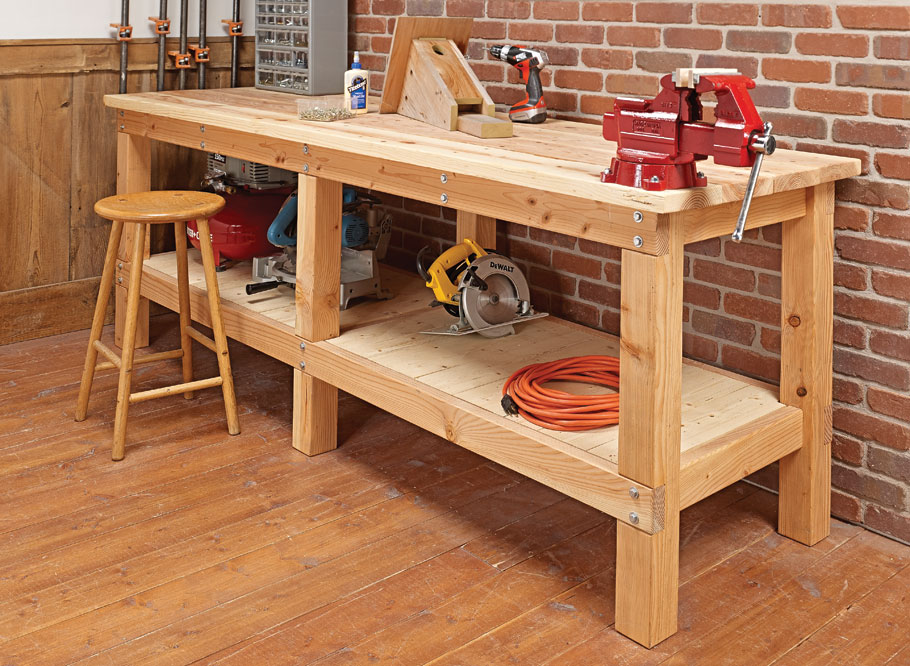
Heavy-duty plank workbench www.woodsmithplans.com

Introduction: Building Your Own Adjustable Height Workbench Are you tired of hunching over your workbench or straining to reach projects that are too high? An adjustable height workbench can revolutionize your workspace, providing ergonomic comfort and increased efficiency. This guide will walk you through the process of building your own robust and versatile adjustable height workbench from scratch.
Materials and Tools: Gathering Your Supplies Before we begin, gather the necessary materials and tools. The exact quantities will depend on the desired size of your workbench, but this list provides a general overview:
  • Lumber: Framing lumber (e.g., 2x4s), workbench top material (e.g., plywood, hardwood)
  • Adjustable Height Legs: Pre-made adjustable height workbench legs (available online or at hardware stores)
  • Fasteners: Screws, bolts, washers, nuts
  • Wood Glue
  • Safety Glasses
  • Measuring Tape
  • Pencil
  • Saw (Circular saw, table saw, or hand saw)
  • Drill/Driver
  • Level
  • Clamps
  • Square
  • Sandpaper or Sander
  • Finish (optional: paint, stain, polyurethane)
  • Step 1: Planning and Design Start by planning the dimensions of your workbench. Consider the size of your workspace and the types of projects you'll be working on. Determine the desired height range of the adjustable legs. Create a simple sketch or drawing to visualize the design. Pay close attention to structural support to ensure stability.
    Step 2: Building the Workbench Frame Cut the framing lumber to the required lengths based on your plan. Assemble the frame using screws and wood glue. Ensure the frame is square and level. Use clamps to hold the pieces together while the glue dries. Add internal supports to the frame for added strength, especially if you plan on working with heavy items.
    Step 3: Attaching the Workbench Top Cut the workbench top material to the desired size. Position the top onto the frame and secure it with screws from below. Countersink the screws to create a flush surface. For a more durable top, consider laminating multiple layers of plywood together.
    Step 4: Installing the Adjustable Height Legs Attach the adjustable height legs to the underside of the workbench frame. Follow the manufacturer's instructions for proper installation. Ensure the legs are securely fastened and properly aligned. Test the adjustment mechanism to ensure it functions smoothly.
    Step 5: Finishing Touches Sand the entire workbench to smooth any rough edges or surfaces. Apply a finish of your choice, such as paint, stain, or polyurethane, to protect the wood and enhance its appearance. Allow the finish to dry completely before using the workbench.
    Step 6: Adding Accessories (Optional) Consider adding accessories to your workbench, such as a vise, drawers, shelves, or pegboard. These additions can further enhance the functionality and organization of your workspace.
    Conclusion: Enjoy Your New Adjustable Height Workbench Congratulations! You have successfully built your own adjustable height workbench. Now you can enjoy a more comfortable and efficient workspace. Adjust the height of your workbench to suit your specific needs and projects. Remember to prioritize safety and always wear appropriate safety gear when working in your workshop.

    Heavy-duty Plank Workbench

    Heavy-duty plank workbench www.woodsmithplans.com

    14 Super-simple Workbenches You Can Build — The Family Handyman

    14 super-simple workbenches you can build — the family handyman www.familyhandyman.com

    14 Super-simple Workbenches You Can Build — The Family Handyman

    14 super-simple workbenches you can build — the family handyman www.familyhandyman.com
    Read More..

    Rabu, 30 Juli 2025

    Free printable cinco de mayo games allfreeprintable.org

    Introduction: Building Your Own Simple Wooden Box Do you need a simple storage solution, a blank canvas for decoration, or a beginner-friendly woodworking project? Building a basic wooden box is a fantastic way to learn fundamental woodworking skills. This guide will walk you through each step, from gathering materials to assembling your finished box.
    Materials and Tools You'll Need Before you start, make sure you have the following items:
  • Wood: Choose a softwood like pine or poplar for ease of working. 1/2" or 3/4" thickness is ideal. Determine the desired dimensions of your box (length, width, height) and calculate the wood needed accordingly. You will need enough for the bottom and four sides.
  • Measuring Tape: For accurate measurements.
  • Pencil: For marking cut lines.
  • Saw: A hand saw, circular saw, or miter saw will work. Choose the one you're most comfortable with.
  • Sandpaper: Various grits (80, 120, 220) for smoothing the wood.
  • Wood Glue: For strong joints.
  • Clamps: To hold the pieces together while the glue dries. At least 4 clamps are recommended.
  • Screws or Nails (Optional): For added strength. Consider using wood screws and a drill/screwdriver, or finishing nails and a hammer.
  • Safety Glasses: Protect your eyes!
  • Step 1: Cut the Wood Pieces Carefully measure and mark the wood according to your desired box dimensions. Remember to account for the thickness of the wood when calculating the length of the sides. For example, if you want an internal dimension of 10" wide and you are using 1/2" thick wood for the sides, the length of the bottom piece needs to be 10". Use your saw to cut the wood pieces precisely. Ensure all cuts are square for a professional look.
    Step 2: Sand the Wood Use sandpaper to smooth all surfaces and edges of the wood pieces. Start with a coarser grit (80 or 120) to remove any imperfections or splinters, and then move to a finer grit (220) for a smooth finish. Pay close attention to the edges that will be joined together.
    Step 3: Assemble the Box Apply wood glue to the edges of one of the side pieces. Carefully align it with the bottom piece and clamp them together. Repeat this process for the other three sides, making sure that all edges are flush. If you are using screws or nails for added strength, drive them in now, being careful not to split the wood. Pilot holes are recommended for screws to prevent splitting.
    Step 4: Clamping and Drying Ensure all the pieces are firmly clamped together. Wipe away any excess glue with a damp cloth. Allow the glue to dry completely according to the manufacturer's instructions (typically 24 hours). This is crucial for a strong and durable box.
    Step 5: Final Sanding and Finishing (Optional) Once the glue is dry, remove the clamps. Sand the box again with fine-grit sandpaper to smooth any imperfections. You can then apply a finish of your choice, such as stain, paint, varnish, or sealant, to protect the wood and enhance its appearance. Allow the finish to dry completely as per the product instructions.
    Conclusion: Your Handmade Wooden Box Congratulations! You have successfully built your own simple wooden box. This is a great foundation for more advanced woodworking projects. You can customize your box with decorative elements, hinges, or latches to create unique and functional pieces. Enjoy the satisfaction of crafting something with your own hands!

    Free Printable Cinco De Mayo Games

    Free printable cinco de mayo games allfreeprintable.org

    Free Printable Resources For Autism

    Free printable resources for autism mikeprintables.com

    Free Printable Cinco De Mayo Games

    Free printable cinco de mayo games allfreeprintable.org
    Read More..

    Selasa, 29 Juli 2025

    Mikeswoodworkingprojects www.mikeswoodworkingprojects.com

    ```html
    Introduction: Creating a Simple Wooden Birdhouse Building a birdhouse is a rewarding and straightforward woodworking project, perfect for beginners and experienced craftspeople alike. This guide provides a detailed, step-by-step process for constructing a basic birdhouse, offering a welcoming home for feathered friends in your backyard.
    Materials and Tools: Before you begin, gather the necessary materials and tools. This ensures a smooth and efficient building process.
  • Wood (pine, cedar, or redwood are good choices – avoid treated wood)
  • Wood glue
  • Nails or screws
  • Saw (hand saw, circular saw, or jigsaw)
  • Drill with drill bits
  • Measuring tape or ruler
  • Pencil
  • Sandpaper
  • Safety glasses
  • Step 1: Cutting the Wood Pieces Using your chosen wood and the dimensions below (or a customized design), carefully cut the pieces for your birdhouse. Accuracy in cutting is crucial for a well-assembled birdhouse.
  • Front: 6" wide x 8" high
  • Back: 6" wide x 10" high
  • Sides (2): 6" wide x 7" high
  • Bottom: 6" wide x 6" long
  • Roof (2): 6" wide x 8" long
  • Step 2: Assembling the Birdhouse Body Now, begin assembling the main body of the birdhouse. Use wood glue and nails or screws to secure the pieces together.
  • Attach the sides to the bottom, ensuring they are flush and square.
  • Attach the front to the sides and bottom.
  • Attach the back to the sides and bottom. The back should extend slightly above the sides to create an angled roof.
  • Step 3: Creating the Entrance Hole Drill the entrance hole on the front piece of the birdhouse. The size of the hole depends on the type of bird you want to attract.
  • For wrens and chickadees: 1 1/8" diameter
  • For bluebirds: 1 1/2" diameter
  • Drill the hole about 2 inches below the top of the front piece.
  • Step 4: Adding the Roof Attach the roof pieces to the top of the birdhouse. The overhanging roof will protect the entrance from rain.
  • Apply wood glue to the top edges of the front, back, and side pieces.
  • Attach the roof pieces, ensuring they overlap slightly.
  • Secure the roof pieces with nails or screws.
  • Step 5: Sanding and Finishing After the birdhouse is assembled, sand all edges and surfaces to remove splinters and create a smooth finish.
  • Use sandpaper to smooth all rough edges and surfaces.
  • Optional: Apply a non-toxic, water-based sealant or paint to protect the wood from the elements. Avoid bright colors, which may scare away birds.
  • Step 6: Adding Drainage and Ventilation Drill small drainage holes in the bottom of the birdhouse to prevent water from accumulating. Also, drill small ventilation holes near the top of the sides to keep the birdhouse cool.
  • Drill 3-4 small drainage holes (1/4" diameter) in the bottom.
  • Drill 2-3 small ventilation holes (1/4" diameter) near the top of each side.
  • Step 7: Mounting the Birdhouse Choose a suitable location for your birdhouse, away from predators and direct sunlight.
  • Mount the birdhouse on a pole, tree, or building using screws or mounting brackets.
  • Ensure the birdhouse is securely attached and stable.
  • Conclusion: Enjoy Your New Birdhouse Congratulations! You have successfully built a simple wooden birdhouse. With proper placement and maintenance, it will provide a safe and welcoming home for birds in your backyard. Enjoy watching the new residents move in and thrive!
    ```

    3 Easy Woodworking Projects That Sell

    3 easy woodworking projects that sell woodworkcentral.org

    Projects Plans

    Projects plans www.pinterest.com

    Mikeswoodworkingprojects

    Mikeswoodworkingprojects www.mikeswoodworkingprojects.com
    Read More..

    Senin, 28 Juli 2025

    Example project: popular twin bed woodworking plans using kreg jig jagierswoodworking.blogspot.com

    Opening: Building a DIY Twin Bed: A Beginner's Guide Want to save money and have a cool, personalized twin bed? Building your own is easier than you think! This step-by-step guide will walk you through the process, from gathering materials to putting the finishing touches on your new bed frame. Let's get started!
    Step 1: Planning & Materials First, you'll need to determine your desired dimensions. A standard twin mattress is 39 inches wide and 75 inches long. Add a few inches on each side for the frame. You'll also need to decide on the bed's height. Once you have these dimensions, you can gather your materials. Here's a basic list:
    • Wood (2x4s, 1x4s, plywood based on your design)
    • Screws (various lengths)
    • Wood glue
    • Sandpaper
    • Wood stain or paint (optional)
    • Safety glasses
    • Measuring tape
    • Pencil
    • Saw (circular saw or hand saw)
    • Drill/Driver
    • Clamps
    Step 2: Cutting the Wood Carefully measure and cut all your wood pieces according to your plan. Double-check your measurements before each cut to avoid errors. For a simple platform bed, you'll need:
    • Two side rails (75 inches + extra inches for desired overall length)
    • Two end rails (39 inches + extra inches for desired overall width)
    • Support slats (enough to support the mattress, typically spaced 4-6 inches apart)
    • Legs (four legs cut to desired height)
    Step 3: Assembling the Frame Start by assembling the frame. Apply wood glue to the ends of the end rails and attach them to the inside of the side rails, forming a rectangle. Use screws to secure the joints. Clamps can help hold everything in place while the glue dries and you drive the screws. Ensure the frame is square.
    Step 4: Attaching the Legs Apply wood glue to the inside corners of the frame where the legs will attach. Screw the legs into place, ensuring they are flush with the top of the frame. Reinforce the legs with additional screws if necessary.
    Step 5: Installing the Support Slats Evenly space the support slats across the frame, perpendicular to the side rails. Attach them to the side rails using screws. Make sure the slats are level and provide adequate support for the mattress. You might want to consider using a center support beam for added stability, especially if you plan on having someone sit on the bed frequently.
    Step 6: Sanding & Finishing Sand the entire bed frame to smooth out any rough edges and prepare the surface for finishing. Start with a coarser grit sandpaper and gradually move to finer grits. Once sanded, wipe down the frame to remove any dust. Apply wood stain or paint according to the manufacturer's instructions. Let the finish dry completely before moving on to the next step. Apply a clear coat for added protection and durability (optional).
    Step 7: Final Assembly & Mattress Placement Once the finish is dry, you're ready to place your mattress on the frame. Make sure the mattress fits snugly and is properly supported by the slats. Add your bedding, and enjoy your new DIY twin bed!
    Conclusion: Enjoy Your Handcrafted Bed Congratulations! You've successfully built your own twin bed. Building your own furniture is a rewarding experience and can save you a significant amount of money. With a little planning and effort, you can create a custom piece that perfectly fits your needs and style.

    Example Project: Popular Twin Bed Woodworking Plans Using Kreg Jig

    Example project: popular twin bed woodworking plans using kreg jig jagierswoodworking.blogspot.com

    Diy Wood Twin Bed

    Diy wood twin bed amishwoodworkingplans.blogspot.com

    Twin Size Loft Bed

    Twin size loft bed funwithwoodworking.com
    Read More..

    Minggu, 27 Juli 2025

    Wood illustrations, part 3 :: behance www.behance.net

    Introduction: Creating Your Own Shadow Box A shadow box is a fantastic way to display treasured mementos, collections, or artwork. Building one yourself allows you to customize its size, depth, and style to perfectly suit your needs and décor. This guide will walk you through the process step-by-step.
    Materials and Tools You'll Need Before you begin, gather the necessary materials and tools:
    • Wood (Choose the type based on your desired aesthetic. Pine, oak, or poplar are common choices)
    • Backing material (Foam board, plywood, or even fabric-covered cardboard)
    • Glass or acrylic sheet (For the front cover)
    • Wood glue
    • Brad nails or screws
    • Sandpaper (Various grits)
    • Wood stain or paint (Optional)
    • Measuring tape
    • Saw (Hand saw, miter saw, or table saw)
    • Clamps
    • Drill (If using screws)
    • Brad nailer (If using brad nails)
    • Safety glasses
    • Dust mask
    Step 1: Planning and Design Determine the dimensions of your shadow box. Consider the size of the items you intend to display. Sketch out your design, including the overall size, depth, and any internal shelves or compartments you might want. This visual aid will guide you throughout the construction process.
    Step 2: Cutting the Wood Carefully measure and cut the wood pieces for the sides, top, bottom, and back of the shadow box. Ensure accurate cuts to achieve a professional-looking finish. Using a miter saw to cut the corners at a 45-degree angle is helpful for creating a clean and seamless frame. If you are making a square shadowbox, you will have 4 wood pieces cut to the same length with 45 degree angles on each end.
    Step 3: Assembling the Frame Apply wood glue to the mitered corners and clamp the pieces together. Once the glue is applied, use brad nails or screws to reinforce the joints. Ensure the frame is square and allow the glue to dry completely according to the manufacturer's instructions. Usually 24 hours is best.
    Step 4: Preparing the Backing Cut the backing material (foam board, plywood, or fabric-covered cardboard) to fit snugly inside the back of the frame. If using fabric, stretch it tautly over the cardboard and secure it with glue or staples on the back side. This backing will serve as the foundation for mounting your items.
    Step 5: Attaching the Backing Apply a thin bead of wood glue along the inside edges of the frame. Press the prepared backing material firmly into place. Secure it with brad nails around the perimeter for added stability. Make sure the brad nails do not extend beyond the wood frame.
    Step 6: Sanding and Finishing Once the glue has dried, sand the entire shadow box to smooth any rough edges and imperfections. Start with a coarser grit sandpaper (e.g., 120 grit) and gradually move to finer grits (e.g., 220 grit) for a smooth finish. Wipe away any sanding dust with a tack cloth.
    Step 7: Staining or Painting (Optional) If desired, apply wood stain or paint to the shadow box. Follow the manufacturer's instructions for application and drying times. Multiple coats may be necessary to achieve the desired color and coverage. Always wear a mask for adequate ventilation.
    Step 8: Installing the Glass or Acrylic Front Measure the opening of the shadow box frame and cut the glass or acrylic sheet to fit precisely. Secure the glass or acrylic in place. You can do this with small brad nails, or specialized frame clips. Ensure it is seated properly and clean any fingerprints or smudges.
    Step 9: Arranging Your Items Carefully arrange your chosen items inside the shadow box. Use adhesive putty, small nails, or glue dots to secure the items in place. Consider the composition and visual appeal of the arrangement.
    Conclusion: Your Completed Shadow Box Congratulations! You have successfully created your own custom shadow box. Now you can proudly display your treasured memories and collections in a beautiful and personalized way. Enjoy!

    Wood Illustrations, Part 3 :: Behance

    Wood illustrations, part 3 :: behance www.behance.net

    Portfolio —melpomeni Chatzipanagiotou, Artist

    Portfolio —melpomeni chatzipanagiotou, artist www.melpomenichatzipanagiotou.com

    Northern Lights Landscape Painting On Wood Slice Original Wall Art Mountains And Trees Pink And

    Northern lights landscape painting on wood slice original wall art mountains and trees pink and www.etsy.com
    Read More..

    Sabtu, 26 Juli 2025

    Die besten 25+ workbench drawers ideen auf pinterest www.pinterest.at

    Opening: Your Dream Workbench Awaits! Ready to upgrade your workspace with a sturdy, personalized workbench featuring lockable drawers? This guide will walk you through building a robust and secure workbench, perfect for any DIY enthusiast or professional. Let's get started!
    Step 1: Planning and Design. Before you even pick up a piece of wood, meticulous planning is key.
  • Consider the dimensions: Determine the ideal height, width, and depth of your workbench based on your typical projects and available space. A common height is around 36 inches.
  • Sketch it out: Create a detailed sketch, including the placement and dimensions of the drawers. Don't forget to account for drawer slides!
  • Material Selection: Choose durable materials like plywood, construction lumber (2x4s), and hardwood (like oak or maple) for the top. Plywood will be needed for drawer boxes and the lockable cabinet walls.
  • Hardware: Gather essential hardware like screws, nails, wood glue, drawer slides, hinges, a lock and key set for the drawers, and finishing materials.
  • Safety First: Always wear safety glasses and ear protection when working with power tools.
  • Step 2: Building the Frame. The frame provides the foundation for your workbench.
  • Cut the Lumber: Accurately cut the 2x4s according to your plan. You'll need legs, horizontal supports (aprons), and possibly internal supports for added strength.
  • Assemble the Frame: Use screws and wood glue to assemble the frame. Ensure it's square and sturdy. Clamps can be helpful during this process.
  • Add Internal Supports (Optional): For a larger or heavier workbench, add internal supports to prevent sagging.
  • Step 3: Creating the Workbench Top. The workbench top should be strong and flat.
  • Cut the Top Material: Cut the plywood or hardwood to the desired dimensions. You can use a single thick sheet or laminate multiple thinner sheets together for added thickness.
  • Attach the Top to the Frame: Securely attach the top to the frame using screws and wood glue. Ensure the top is flush with the frame.
  • Finish the Top (Optional): Consider applying a protective finish like polyurethane or varnish to protect the top from spills and scratches.
  • Step 4: Building the Drawers. Now for the drawers, the heart of your storage.
  • Cut the Drawer Pieces: Cut the plywood for the drawer boxes to the appropriate sizes, accounting for the drawer slides.
  • Assemble the Drawers: Use screws, nails, and wood glue to assemble the drawer boxes. Make sure they are square.
  • Install Drawer Slides: Install the drawer slides on the drawer boxes and inside the workbench frame. Follow the manufacturer's instructions for proper alignment.
  • Insert Drawers: Slide the drawers into the frame to test the fit and smooth operation.
  • Step 5: Installing the Locking Mechanism. Secure your tools and valuables.
  • Choose a Lock: Select a lock and key set suitable for drawer use. Cam locks are a common choice.
  • Install the Lock: Install the lock according to the manufacturer's instructions. Ensure it properly engages and locks the drawers. You might have to create a locking bar that secures all drawers with one lock.
  • Test the Locking Mechanism: Thoroughly test the locking mechanism to ensure it functions correctly.
  • Step 6: Finishing Touches. Give your workbench a professional look and added protection.
  • Sand the Workbench: Sand all surfaces of the workbench to remove any rough edges or splinters.
  • Apply Finish (Optional): Apply paint, stain, or a clear coat to protect the wood and enhance its appearance.
  • Add Hardware: Install drawer pulls or handles.
  • Conclusion: Your Secure Workbench is Ready! Congratulations! You've successfully built your own workbench with lockable drawers. Enjoy your organized and secure workspace, ready for all your future projects. Remember to regularly maintain your workbench to ensure its longevity.

    Die Besten 25+ Workbench Drawers Ideen Auf Pinterest

    Die besten 25+ workbench drawers ideen auf pinterest www.pinterest.at

    Workbench Drawers

    Workbench drawers woodgears.ca

    Workbench Drawers/storage

    Workbench drawers/storage www.pinterest.com
    Read More..

    Rabu, 23 Juli 2025

    Everything you need to know about woodworking tools www.familyhandyman.com

    Introduction: Creating a DIY Wooden Urn Crafting a wooden urn can be a deeply meaningful project, offering a personalized way to honor a loved one. This guide provides step-by-step instructions for building a simple, yet elegant, wooden urn. Remember to plan your design carefully and choose wood that is both aesthetically pleasing and durable. Safety is paramount, so wear appropriate safety gear throughout the process.
    Materials and Tools Before you begin, gather the necessary materials and tools:
  • Wood of your choice (consider hardwoods like oak, cherry, or walnut for their beauty and longevity)
  • Wood glue
  • Clamps
  • Saw (table saw, miter saw, or hand saw)
  • Drill
  • Screws (optional, for extra reinforcement)
  • Sandpaper (various grits)
  • Wood finish (stain, varnish, or lacquer)
  • Measuring tape
  • Pencil
  • Safety glasses
  • Dust mask
  • Step 1: Design and Planning Start by determining the dimensions of the urn. A general rule is to allow approximately 200 cubic inches of volume for each 100 pounds of body weight. Sketch out your design, noting the dimensions of each piece of wood required. Consider the overall shape (e.g., a simple box, a tapered design) and any decorative elements you'd like to include. Accurate measurements are crucial for a well-constructed urn.
    Step 2: Cutting the Wood Using your measurements, cut the wood pieces according to your design. Use a saw that allows for precise cuts. Ensure the edges are straight and square for a tight fit. If you are using multiple pieces of wood for a single side, join them together with wood glue and clamps before proceeding. Let the glue dry completely according to the manufacturer's instructions.
    Step 3: Assembling the Urn Apply wood glue to the edges of the wood pieces that will form the sides, bottom, and top of the urn. Clamp the pieces together tightly, ensuring the corners are aligned. If desired, use screws for added strength. Countersink the screws to hide the heads and fill the holes with wood filler later. Allow the glue to dry completely, usually overnight.
    Step 4: Creating the Lid The lid can be designed in various ways – a simple flat lid, a hinged lid, or a sliding lid. Ensure the lid fits snugly but can be easily opened and closed. For a hinged lid, attach hinges using small screws. For a sliding lid, create grooves in the sides of the urn to accommodate the lid's movement.
    Step 5: Sanding and Finishing Once the urn is fully assembled, sand all surfaces smooth, starting with a coarse grit sandpaper and gradually moving to finer grits. Pay close attention to the corners and edges. After sanding, wipe away any dust with a clean cloth. Apply your chosen wood finish according to the manufacturer's instructions. Multiple coats may be required for a desired level of protection and sheen. Allow each coat to dry completely before applying the next.
    Step 6: Personalization (Optional) Consider adding personalized touches, such as engraving a name, dates, or a meaningful quote. You can also add decorative elements like inlays or carvings. Let these additions truly reflect the individual being honored.
    Conclusion: A Meaningful Tribute Creating a wooden urn is a labor of love and a meaningful way to honor the memory of a loved one. By following these steps, you can create a beautiful and lasting tribute that will be cherished for years to come. Remember to take your time, pay attention to detail, and prioritize safety throughout the process.

    Woodworking For Beginners: Everything First-timers Need To Know

    Woodworking for beginners: everything first-timers need to know www.familyhandyman.com

    Woodworking In Seattle: A Look At Ebanista School Of Fine Woodworking

    Woodworking in seattle: a look at ebanista school of fine woodworking solutions.dunnlumber.com

    Everything You Need To Know About Woodworking Tools

    Everything you need to know about woodworking tools www.familyhandyman.com
    Read More..

    Selasa, 22 Juli 2025

    Rustic reclaimed wood 4 hook key holder with shelf 7 colour options www.pinterest.co.uk

    Introduction: Keeping Keys Organized with Style Losing your keys is a universal frustration. A DIY wooden hanging key holder with a shelf provides an attractive and functional solution. This project combines practicality with customizable aesthetics, allowing you to create a piece that complements your home décor while keeping your keys neatly organized and offering a small shelf for mail, sunglasses, or small decorative items. This guide will walk you through each step of building your own.
    Materials and Tools You'll need the following materials:
    • A piece of wood (pine, cedar, or your preferred wood) approximately 12-18 inches long, 6-8 inches wide, and 1-2 inches thick. This will be the main body of your key holder.
    • Smaller piece of wood for the shelf (approximately 6-12 inches long, 3-4 inches wide, and 1/2-1 inch thick).
    • Key hooks (4-6, depending on your needs)
    • Wood glue
    • Wood screws (appropriate length for attaching the shelf)
    • Sandpaper (various grits: 120, 220)
    • Wood stain or paint (optional, for finishing)
    • Polyurethane or varnish (optional, for sealing)
    And these tools:
    • Saw (hand saw, circular saw, or miter saw)
    • Drill with drill bits (for pilot holes and attaching hooks)
    • Screwdriver
    • Clamps
    • Measuring tape
    • Pencil
    • Safety glasses
    • Dust mask
    Step 1: Preparing the Wood Start by cutting your main piece of wood and shelf piece to the desired dimensions. Use a saw for accurate cuts. Once cut, sand all surfaces and edges of both pieces with 120-grit sandpaper to remove any rough spots. Then, follow up with 220-grit sandpaper for a smooth finish. Wipe away any sanding dust with a clean cloth.
    Step 2: Attaching the Shelf Position the shelf piece on the main board. Decide how far down from the top you want the shelf to be. Apply wood glue to the surface where the shelf will be attached. Clamp the shelf in place to ensure a strong bond. Pre-drill pilot holes through the main board into the shelf piece. This prevents the wood from splitting when you insert the screws. Secure the shelf with wood screws. Let the glue dry completely according to the manufacturer's instructions (usually several hours or overnight).
    Step 3: Adding the Key Hooks Determine the spacing for your key hooks along the bottom edge of the main board. Use a measuring tape and pencil to mark the locations for each hook. Pre-drill small pilot holes at each marked location. Screw the key hooks into the pilot holes. Ensure they are securely fastened.
    Step 4: Sanding and Finishing Give the entire key holder a final sanding with 220-grit sandpaper to smooth any imperfections. Wipe away any dust. If desired, apply wood stain or paint to achieve your desired color and finish. Follow the manufacturer's instructions for application and drying time. Once the stain or paint is dry, apply a coat of polyurethane or varnish to seal and protect the wood. This will also enhance the durability and appearance of your key holder. Let the sealer dry completely.
    Step 5: Mounting the Key Holder Decide how you will mount the key holder to the wall. You can use D-rings, sawtooth hangers, or keyhole hangers attached to the back of the key holder. Position the hangers near the top edge for even weight distribution. Alternatively, you can drill directly through the main piece of wood near the top to create holes for screws to mount to the wall. Use appropriate wall anchors if necessary, depending on the weight of the key holder and the wall material. Ensure the key holder is mounted securely and level.
    Conclusion: Enjoy Your Organized Keys Congratulations! You have successfully built your own wooden hanging key holder with a shelf. Now you can enjoy a stylish and organized entryway. Customize the design with different wood types, stains, paint colors, and hook styles to perfectly match your personal taste and home decor. This DIY project not only solves the problem of misplaced keys but also adds a personal touch to your home.

    Rustic Reclaimed Wood 4 Hook Key Holder With Shelf 7 Colour Options

    Rustic reclaimed wood 4 hook key holder with shelf 7 colour options www.pinterest.co.uk

    Buy Ten Birds Wall Hanging Shelf With 5 Key Holder In Brown At 24% Off Online

    Buy ten birds wall hanging shelf with 5 key holder in brown at 24% off online www.woodenstreet.com

    Key Hanger Key Holder Small Wooden Shelf Oak Shelf For

    Key hanger key holder small wooden shelf oak shelf for www.etsy.com
    Read More..

    Senin, 21 Juli 2025

    How to get the most out of your shed essenziale-hd.com

    Opening: Your Dream Potting Shed Awaits! Ready to elevate your gardening game? Building your own potting shed is a rewarding project that provides dedicated space for all your gardening activities. This guide will walk you through the process, from planning to completion, ensuring you have a functional and beautiful potting shed tailored to your needs.
    Step 1: Planning and Preparation Before you start hammering, careful planning is crucial. Consider these aspects:
    • Location: Choose a level spot with good drainage and access to sunlight and water. Consider proximity to your garden and your home.
    • Size: Determine the size based on your gardening needs and available space. Think about storage, workspace, and potential future growth.
    • Design: Research different shed designs online. Decide on a style that complements your garden and home. Do you prefer a lean-to, a gable roof, or a more elaborate design?
    • Materials: Select your materials carefully. Options include wood (pressure-treated for the base), metal, or even repurposed materials. Factor in durability, weather resistance, and cost.
    • Permits: Check local building codes and regulations to ensure you obtain any necessary permits before starting construction.
    Once you have these considerations, draw up your plans on paper, including dimensions, material lists, and a step-by-step building strategy.
    Step 2: Building the Foundation A solid foundation is essential for a long-lasting shed.
    • Clearing the Site: Remove any vegetation, rocks, and debris from the chosen location.
    • Creating the Base: There are several foundation options: a concrete slab, gravel base, or a wooden frame supported by concrete blocks. A gravel base is generally easiest for DIY. Level the ground and spread a thick layer of compacted gravel.
    • Framing the Floor (if applicable): If using a wooden frame, assemble the frame using pressure-treated lumber. Ensure it's square and level. Secure it to the concrete blocks or gravel base.
    Step 3: Framing the Walls This step defines the structure of your potting shed.
    • Cutting the Lumber: Cut the lumber according to your plans. Accurately measured cuts are key for a structurally sound shed.
    • Assembling the Walls: Construct the wall frames, including studs, top plates, and bottom plates. Use nails or screws to secure the pieces together. Ensure proper spacing for studs (typically 16 or 24 inches on center). Frame openings for doors and windows.
    • Raising the Walls: Carefully raise the wall frames and secure them to the floor frame (or foundation). Use braces to keep them plumb and level while you attach them.
    Step 4: Installing the Roof The roof protects your potting shed from the elements.
    • Building the Rafters: Construct the rafters according to your design. Ensure they are strong enough to support the roof covering.
    • Attaching the Rafters: Secure the rafters to the top plates of the walls. Use gusset plates or other reinforcement to ensure a strong connection.
    • Sheathing the Roof: Cover the rafters with plywood or OSB sheathing. Nail or screw the sheathing securely to the rafters.
    • Applying Roofing Material: Install your chosen roofing material, such as asphalt shingles, metal roofing, or wood shakes. Follow the manufacturer's instructions carefully.
    Step 5: Adding Siding and Trim Siding protects the walls and adds aesthetic appeal.
    • Installing Siding: Choose your siding material (wood, vinyl, metal) and install it according to the manufacturer's instructions. Overlap the siding properly to prevent water penetration.
    • Adding Trim: Install trim around windows, doors, and corners to create a finished look and protect the edges of the siding.
    Step 6: Installing Doors and Windows Doors provide access, and windows provide light and ventilation.
    • Framing the Openings: Ensure the door and window openings are properly framed.
    • Installing Doors and Windows: Install the doors and windows according to the manufacturer's instructions. Ensure they are square, level, and properly sealed.
    Step 7: Interior Finishing Customize the interior to suit your needs.
    • Adding Shelving: Install shelves for storing pots, tools, and other gardening supplies. Consider different shelving options, such as adjustable shelves or built-in shelving.
    • Building a Workbench: Construct a workbench for potting plants and other gardening tasks.
    • Adding Electrical and Plumbing (optional): If desired, install electrical outlets and plumbing for lighting, power tools, and water access. Hire a qualified professional for these tasks.
    Step 8: Painting or Staining Protect and beautify your potting shed with paint or stain.
    • Preparing the Surface: Clean the exterior surfaces and fill any holes or cracks.
    • Applying Paint or Stain: Apply paint or stain according to the manufacturer's instructions. Choose colors that complement your garden and home.
    Conclusion: Enjoy Your New Potting Shed! Congratulations on building your own potting shed! You now have a dedicated space to nurture your gardening passion. Customize the interior and exterior to your liking, and enjoy the fruits (and vegetables!) of your labor. Happy gardening!

    Kew Residence In Melbourne Renovated By John Wardle Architects

    Kew residence in melbourne renovated by john wardle architects d-vsl.com

    House For Hermes By Andrew Simpson Architects

    House for hermes by andrew simpson architects smallhouseswoon.com

    How To Get The Most Out Of Your Shed

    How to get the most out of your shed essenziale-hd.com
    Read More..

    Minggu, 20 Juli 2025

    Woodwork woodworking art pdf plans s3-us-west-1.amazonaws.com

    Opening: Level Up Your Woodworking with a DIY Planer! Ready to transform rough lumber into perfectly smooth and dimensioned stock? While professional planers can be expensive, building your own is a rewarding and cost-effective way to achieve professional results. This guide provides a step-by-step process for creating a functional DIY planer. Before starting this project, please consider the risks involved when using power tools. Ensure you have the necessary safety equipment, including eye protection, hearing protection, and dust mask. Take your time and proceed with caution.
    Step 1: Gather Your Materials and Tools A successful DIY planer hinges on having the right components. You'll need:
  • A sturdy base: Consider using plywood, MDF, or a solid wood frame. Dimensions will depend on the width of stock you intend to plane.
  • Planer blade holder/Assembly: These can be bought as a unit, but sourcing the motor, shaft, bearing, and a blade holder separately can save some money (a used or refurbished planer might be a good source for this).
  • A suitable motor: A motor with enough horsepower to drive the blades through the wood is essential. A 1-2 HP motor should be sufficient for most home woodworking projects. Research suitable RPMs for your blade assembly.
  • Height Adjustment Mechanism: Scissor jacks, threaded rods, or even a simple system of shims can work.
  • Shafts and Bearings: Important for smooth, vibration-free blade rotation.
  • Roller system: Can be a small roller, ball bearing, or even some smooth plastic.
  • Safety guards: A must for protecting your hands and eyes from flying debris.
  • Fasteners: Screws, bolts, nuts, washers, wood glue.
  • Tools: Saw, drill, screwdriver, wrench, measuring tape, square, sander, and safety gear (eye protection, ear protection, dust mask).
  • Step 2: Construct the Base This will serve as the foundation for your planer.
  • Cut the base components to the desired dimensions using your saw. The length and width should accommodate the largest piece of wood you plan to plane. Height will be determined by the motor and blade assembly.
  • Assemble the base frame using screws, bolts, and wood glue for added strength. Ensure the frame is square and level.
  • Reinforce the corners of the base with corner braces for increased stability.
  • Add supports to the base to prevent sagging under the weight of the wood and the planing mechanism.
  • Step 3: Integrate the Blade Assembly This is the heart of your planer, requiring careful placement and secure mounting.
  • Mount the bearings and blade shaft within the blade assembly housing.
  • Attach the motor to the base. Ensure the motor shaft is aligned with the blade shaft.
  • Connect the motor shaft to the blade shaft using a pulley system or a direct coupling. Use belts that are the correct length.
  • Install the safety guards around the blade area. This is crucial for preventing accidents.
  • Test the motor and blade assembly to ensure it runs smoothly and without excessive vibration.
  • Step 4: Implementing the Height Adjustment Mechanism This allows you to control the depth of cut.
  • Design and implement a mechanism to raise and lower the blade assembly. This could involve scissor jacks, threaded rods, or a system of shims.
  • Ensure the height adjustment mechanism is stable and allows for precise adjustments.
  • Install a locking mechanism to secure the blade assembly at the desired height.
  • Step 5: Build Feed Rollers (Optional, but Recommended) Feed rollers help guide the wood through the planer, improving accuracy and reducing the risk of kickback.
  • Mount the feed rollers to the base, ensuring they are parallel to the blade.
  • If possible, power the feed rollers with a separate motor or a gear system connected to the main motor. This will automate the feeding process. Alternatively, simply add a roller before and after the blade assembly to make it easier to slide your piece.
  • Adjust the height of the feed rollers to match the desired depth of cut.
  • Step 6: Final Adjustments and Safety Checks Before using your DIY planer, perform a thorough inspection and make any necessary adjustments.
  • Double-check all fasteners to ensure they are tight.
  • Verify that the blade is sharp and properly aligned.
  • Test the planer on a scrap piece of wood to ensure it is cutting smoothly and accurately.
  • Ensure the safety guards are securely in place and functioning correctly.
  • Conclusion: Your Custom-Built Planer is Ready! Congratulations! You've successfully built your own DIY planer. Remember to always prioritize safety when operating power tools. Take your time, make small adjustments, and enjoy the satisfaction of creating perfectly planed lumber with your own custom-built machine. It may not have all the bells and whistles of a commercial planer, but with careful construction and attention to detail, your DIY planer will be a valuable addition to your woodworking shop.

    Show Us Your Stuff

    Show us your stuff highlandwoodworking.com

    Clinker Built Whitehall Row Boat 12 Feet

    Clinker built whitehall row boat 12 feet spyglassshop.com

    Woodwork Woodworking Art Pdf Plans

    Woodwork woodworking art pdf plans s3-us-west-1.amazonaws.com
    Read More..

    Sabtu, 19 Juli 2025

    A shop with a view www.popularwoodworking.com

    Opening: Console Table DIY Project Ready to add a stylish and functional piece to your home decor? Building your own console table is a rewarding woodworking project, even for beginners. This guide will walk you through the process step-by-step, allowing you to customize the dimensions and design to perfectly suit your space. Grab your tools and let's get started!
    Step 1: Planning and Design Before you even touch a piece of wood, careful planning is crucial.
  • Determine the Size: Measure the space where the console table will be placed. Consider the desired length, width, and height. A common height is around 30-36 inches, but adjust to fit your needs.
  • Choose Your Design: Decide on the style of your console table. Simple, modern, rustic, or something more elaborate? Look at existing console tables online for inspiration. Sketch out your design, including the dimensions of each component.
  • Select Your Materials: Pine is a good, affordable choice for beginners. Hardwoods like oak or maple will create a more durable and elegant piece but will be more expensive and require more advanced skills. Consider plywood for the table top and shelves to save on cost. Don't forget screws, wood glue, sandpaper, stain, and finish.
  • Create a Cut List: Based on your design and dimensions, create a detailed cut list that specifies the dimensions and quantity of each piece of wood you'll need. This will minimize waste and ensure accuracy.
  • Step 2: Gathering Your Tools Having the right tools makes the project much smoother. Here's a list of essential tools:
  • Safety Gear: Safety glasses, hearing protection, and a dust mask are a must.
  • Measuring Tools: Measuring tape, a square, and a pencil.
  • Cutting Tools: A circular saw (or hand saw if you don't have a power saw), a miter saw (optional, but highly recommended for accurate angle cuts), and a jigsaw (for curved cuts, if needed).
  • Drilling and Fastening: A drill/driver, drill bits, and countersink bits.
  • Sanding Tools: Sandpaper in various grits (80, 120, 220), a sanding block, or an orbital sander.
  • Clamps: Wood clamps of various sizes to hold pieces together while gluing.
  • Finishing Tools: Brushes or rags for applying stain and finish.
  • Step 3: Cutting the Wood With your cut list in hand, carefully cut each piece of wood to the specified dimensions.
  • Measure Twice, Cut Once: Double-check your measurements before each cut to avoid errors.
  • Use a Guide: When using a circular saw, use a straight edge as a guide to ensure straight cuts.
  • Miter Cuts (if applicable): If your design includes angled cuts, use a miter saw for precise results.
  • Label the Pieces: As you cut each piece, label it according to your cut list to avoid confusion later.
  • Step 4: Assembling the Frame The frame provides the structural support for the console table.
  • Dry Fit: Before applying glue, assemble the frame pieces without glue to ensure everything fits properly. Make any necessary adjustments.
  • Apply Glue: Apply wood glue to the joining surfaces of the frame pieces.
  • Clamp the Frame: Clamp the frame pieces together securely, ensuring the joints are square and flush.
  • Screw the Frame: While the glue is still wet, use screws to reinforce the joints. Countersink the screws to create a flush finish.
  • Let the Glue Dry: Allow the glue to dry completely according to the manufacturer's instructions (usually 24 hours).
  • Step 5: Adding the Table Top and Shelves (If Applicable) Now it's time to attach the table top and any shelves to the frame.
  • Attach the Table Top: Center the frame on the underside of the table top. Apply glue to the top edges of the frame.
  • Screw the Table Top: Secure the table top to the frame using screws from underneath. Again, countersink the screws.
  • Attach Shelves (if applicable): Measure and mark the shelf positions on the frame. Apply glue to the shelf supports (if any) and the bottom edges of the frame where the shelves will sit.
  • Screw the Shelves: Secure the shelves to the frame using screws. Ensure the shelves are level.
  • Clamp Shelves (if applicable): If adding shelves, clamp the shelves in place while the glue dries.
  • Step 6: Sanding and Preparation for Finishing Sanding is essential for a smooth, professional finish.
  • Start with Coarse Grit: Begin by sanding the entire console table with 80-grit sandpaper to remove any imperfections and smooth out the surfaces.
  • Progress to Finer Grits: Gradually move to finer grits of sandpaper (120-grit and then 220-grit) to create a smooth, even surface.
  • Pay Attention to Edges and Corners: Carefully sand the edges and corners to round them slightly and remove any sharp edges.
  • Dust Thoroughly: After sanding, remove all dust with a tack cloth or a vacuum cleaner.
  • Step 7: Staining and Finishing Staining and finishing protect the wood and enhance its appearance.
  • Apply Stain (Optional): If you want to stain the console table, apply the stain evenly with a brush or rag. Follow the manufacturer's instructions for application and drying time. Wipe off any excess stain.
  • Apply Finish: Apply a clear finish, such as polyurethane or varnish, to protect the wood and give it a durable surface. Apply several thin coats, allowing each coat to dry completely before applying the next. Lightly sand between coats with 220-grit sandpaper for an even smoother finish.
  • Allow to Dry Completely: Let the finish dry completely according to the manufacturer's instructions before using the console table.
  • Conclusion: Your Finished Console Table Congratulations! You've built your own console table. Step back and admire your handiwork. This project allows for endless customization, from different wood types to unique design elements. Enjoy your new, functional, and stylish piece of furniture!

    A Shop With A View

    A shop with a view www.popularwoodworking.com

    A Shop With A View

    A shop with a view www.popularwoodworking.com

    Woodworking Temple

    Woodworking temple geobarns.com
    Read More..

    Jumat, 18 Juli 2025

    Heavy-duty plank workbench www.woodsmithplans.com

    ```html
    Introduction: The Ultimate DIY Workbench Ready to level up your workshop? This post will guide you through building a robust 187+ cm workbench, complete with a pegboard for tool organization and a sturdy vise for secure clamping. This workbench is designed for functionality and durability, making it a valuable addition to any DIY enthusiast's workspace.
    Materials and Tools Needed: To start, gather your materials and tools. Having everything on hand will streamline the building process.
    • Wood: (All dimensions are approximate and can be adjusted to suit your needs)
      • (2) 4x4 posts, 90 cm long (for legs)
      • (4) 2x4s, 187 cm long (for front and back frame)
      • (4) 2x4s, 60 cm long (for side frame)
      • (3) 2x4s, 53 cm long (for inner supports)
      • (1) Plywood sheet, 187 cm x 60 cm (for workbench top)
      • (1) Plywood sheet, 187 cm x 60 cm (for pegboard backing)
      • (1) Plywood sheet, 187 cm x 30 cm (for pegboard front)
    • Hardware:
      • Wood screws (various sizes, e.g., 3", 2", 1.25")
      • Lag bolts and washers (for vise mounting)
      • Pegboard hooks and accessories
    • Tools:
      • Circular saw or table saw
      • Drill and drill bits
      • Screwdriver or impact driver
      • Measuring tape
      • Pencil
      • Clamps
      • Level
      • Safety glasses
      • Hearing protection
    • Vise
    Step 1: Building the Base Frame Start by constructing the frame that will support the workbench.
    1. Cut the 4x4 posts to the desired length (90 cm). These will be the legs.
    2. Assemble the outer frame using the 2x4s. Connect the 187 cm long pieces to the 60 cm long pieces to form a rectangular frame. Use wood screws to secure the joints.
    3. Ensure the frame is square. Use a level to ensure it's level.
    4. Attach the legs to the inside corners of the frame using wood screws. Make sure the legs are flush with the top of the frame.
    5. Add the inner supports (53 cm 2x4s) between the side frames. Space them evenly for added stability. Secure with wood screws.
    Step 2: Attaching the Workbench Top Now, secure the plywood sheet to the frame to create the work surface.
    1. Place the plywood sheet (187 cm x 60 cm) on top of the frame.
    2. Align the edges of the plywood with the edges of the frame.
    3. Use wood screws to attach the plywood to the frame. Space the screws evenly around the perimeter and across the inner supports.
    Step 3: Installing the Vise Install the vise on the workbench for clamping materials.
    1. Determine the desired location for the vise on the workbench top (usually near a front corner).
    2. Mark the mounting holes for the vise on the workbench top.
    3. Drill pilot holes through the workbench top at the marked locations.
    4. Secure the vise to the workbench top using lag bolts and washers. Tighten the bolts securely.
    Step 4: Constructing and Mounting the Pegboard Create and attach the pegboard for organized tool storage.
    1. Layer plywood sheets(187 cm x 60 cm) and (187 cm x 30 cm)
    2. Screw the two layers together to give the pegboard extra thickness
    3. Attach the pegboard backing (187 cm x 60 cm) to the back of the workbench frame, above the work surface. Use wood screws to secure it in place.
    4. Attach the Pegboard front (187 cm x 30 cm) to the top of the Pegboard Backing with wood screws
    Step 5: Finishing Touches and Organization Complete the workbench and organize your tools.
    1. Sand any rough edges or splinters on the workbench.
    2. Apply a finish to the workbench top (optional). This will protect the wood and make it easier to clean.
    3. Attach pegboard hooks and accessories to the pegboard to organize your tools.
    4. Organize your tools and supplies on the workbench and pegboard.
    Conclusion: Your Custom Workbench is Ready! Congratulations! You've successfully built your own 187+ cm workbench with a pegboard and vise. This sturdy and functional workbench will provide a solid foundation for your DIY projects for years to come. Enjoy your organized and efficient workspace!
    ```

    14 Super-simple Workbenches You Can Build — The Family Handyman

    14 super-simple workbenches you can build — the family handyman www.familyhandyman.com

    Simple Workbench Plans

    Simple workbench plans www.pinterest.com

    Heavy-duty Plank Workbench

    Heavy-duty plank workbench www.woodsmithplans.com
    Read More..

    Kamis, 17 Juli 2025

    The 9 best woodworking tools of 2022 www.thespruce.com

    Opening: Build Your Own Stunning Sofa Table! Want to add a touch of personalized style to your living room? Building your own sofa table is a rewarding and achievable project for woodworkers of all skill levels. This guide provides a detailed, step-by-step approach to crafting a beautiful and functional sofa table that will perfectly complement your space. Get ready to unleash your creativity and build something amazing!
    Step 1: Planning and Design Before you even touch a piece of wood, careful planning is crucial.
  • Determine Size and Dimensions: Measure the space behind your sofa. Consider the height, length, and depth that would best suit your needs and aesthetic preferences. Sketch your design on paper.
  • Choose Your Wood: Select a wood type that matches your budget, desired look, and skill level. Pine is an affordable and easy-to-work-with option for beginners, while hardwoods like maple or oak offer greater durability and a more refined appearance.
  • Create a Detailed Plan: Develop a detailed plan with precise measurements for each component of the table. This includes the tabletop, legs, aprons (the pieces connecting the legs to the tabletop), and any shelves or drawers you intend to incorporate.
  • Gather Materials and Tools: Make a comprehensive list of all the materials you'll need (wood, screws, glue, sandpaper, finish) and the tools required (saw, drill, sander, measuring tape, clamps, etc.). Ensure you have everything on hand before you begin.
  • Step 2: Cutting the Wood Accuracy in cutting is paramount for a professional-looking finished product.
  • Cut the Tabletop: Using a saw (circular saw, table saw, or hand saw), carefully cut the tabletop to the dimensions specified in your plan. Ensure the edges are straight and smooth.
  • Cut the Legs: Cut the legs to the desired height. Make sure all four legs are exactly the same length to ensure a level table.
  • Cut the Aprons: Cut the aprons (the pieces that connect the legs to the tabletop) to the correct length, typically slightly shorter than the length and width of the tabletop to allow for an overhang.
  • Cut Additional Features: If your design includes shelves or drawers, cut the corresponding pieces to the required dimensions.
  • Step 3: Assembling the Frame This step involves connecting the legs and aprons to create the table's supporting structure.
  • Attach the Aprons to the Legs: Using wood glue and screws, attach the aprons to the legs. Clamping the joints while the glue dries will ensure a strong and secure bond. Ensure the aprons are flush with the top of the legs.
  • Reinforce the Joints: Consider using pocket hole joinery or corner brackets to reinforce the joints for added stability.
  • Check for Squareness: Use a square to ensure that the frame is perfectly square. Adjust as needed before the glue dries completely.
  • Step 4: Attaching the Tabletop This step involves securing the tabletop to the assembled frame.
  • Center the Frame: Carefully center the frame on the underside of the tabletop.
  • Attach the Tabletop: Using screws and wood glue, attach the tabletop to the frame. Pre-drilling pilot holes will prevent the wood from splitting. Allow for wood movement by using figure-8 fasteners or slotted screw holes.
  • Ensure a Flush Fit: Make sure the tabletop is securely attached and that there are no gaps or uneven surfaces.
  • Step 5: Sanding and Finishing Sanding and finishing will give your sofa table a professional and polished appearance.
  • Sand the Entire Table: Sand the entire table surface with progressively finer grits of sandpaper (e.g., 120, 180, 220 grit) to create a smooth and even surface. Pay particular attention to edges and corners.
  • Apply Wood Filler (If Needed): If there are any imperfections or gaps in the wood, fill them with wood filler. Allow the filler to dry completely and then sand it smooth.
  • Apply a Finish: Apply a stain, paint, or clear coat to the table, following the manufacturer's instructions. Multiple coats may be necessary to achieve the desired level of protection and sheen. Sand lightly between coats for a smoother finish.
  • Allow to Dry and Cure: Allow the finish to dry and cure completely before using the table.
  • Conclusion: Enjoy Your Handmade Sofa Table! Congratulations! You've successfully built your own sofa table. This project not only adds a unique piece of furniture to your home but also provides a sense of accomplishment. Stand back and admire your craftsmanship, and enjoy the stylish addition you've made to your living space. Remember to regularly clean and maintain your sofa table to keep it looking its best for years to come.

    Woodworking

    Woodworking 4hab.com

    The 9 Best Woodworking Tools Of 2022

    The 9 best woodworking tools of 2022 www.thespruce.com

    Woodworking Wallpapers

    Woodworking wallpapers wallpaperaccess.com
    Read More..